We’re not speaking the same language.
When Westerners say “ceasefire,” they imagine the cessation of violence as the beginning of peace and goodwill.
In Arabic, the word “hudna” is translated to English as “ceasefire,” but the meaning is very different. Hudna is a temporary pause in fighting, to rest, rearm, and regroup so that fighting can continue later more successfully.
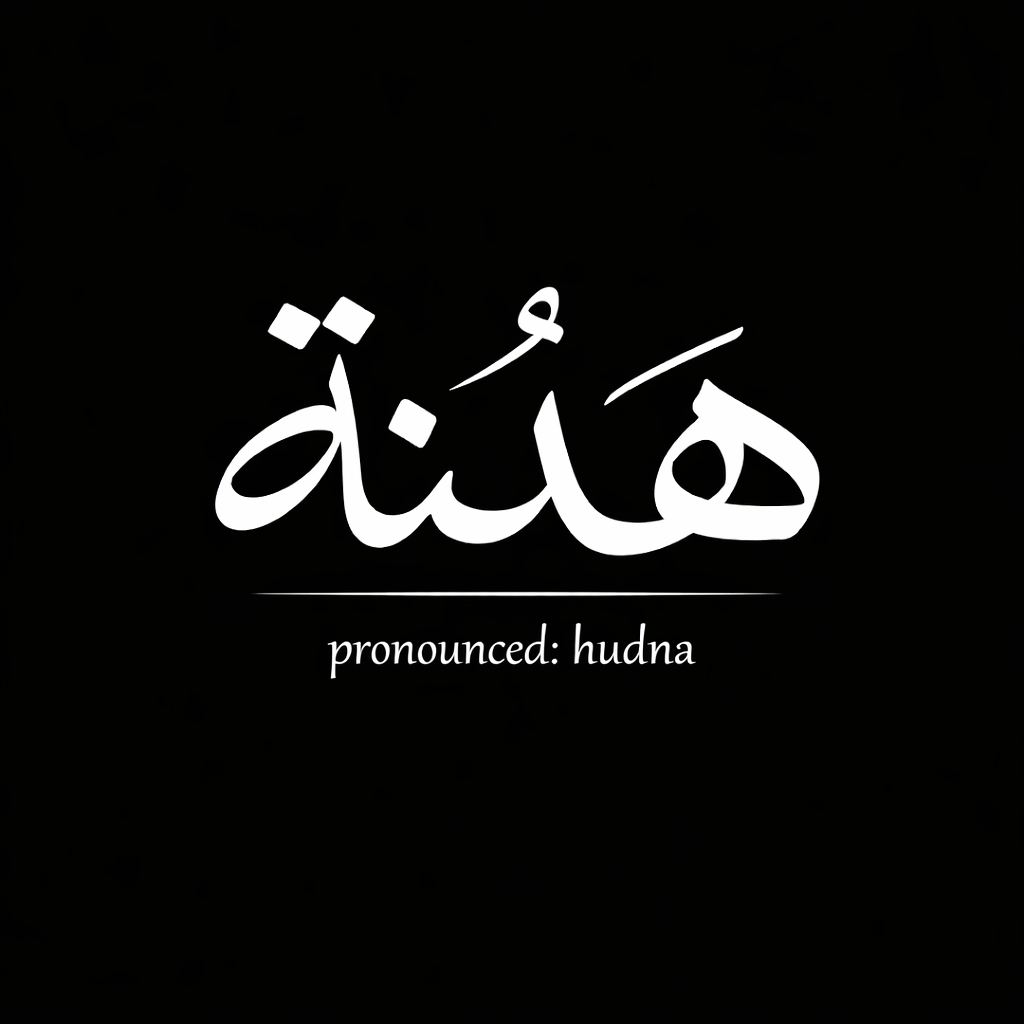
A hudna can last days, weeks, and even years. It is a matter of how much time it takes to be ready to fight again.
In the Middle East, treaties, “deals,” are not made out of a desire to create peace. They are made because the weak side needed to find a way to live to fight another day.
There is no such thing as the victor being magnanimous and “sharing.” Sharing between opposing parties occurs when one side is too weak to assert victory over the other. Victory is subjugation. Dominance.
While the people of the West might think that sounds barbaric and awful, those of us who have learned to live in the Middle East will tell you that not speaking the language, assuming that the other side thinks and desires the same thing you do, is the fastest way to being subjugated yourself.
If you appreciate my writings and would like to support my efforts, please consider a PayPal donation to help me bring Inspiration from Zion to people around the world.
 Inspiration from Zion: This is a Love Story